
Mercado
Bogotá North Real Estate Market 2026: Prices, Neighborhoods & Where the Real Opportunity Is
Real prices by area in Cedritos, La Colina, Mazurén, Chía and Cajicá, appreciation trends, and which areas make sense in 2026.
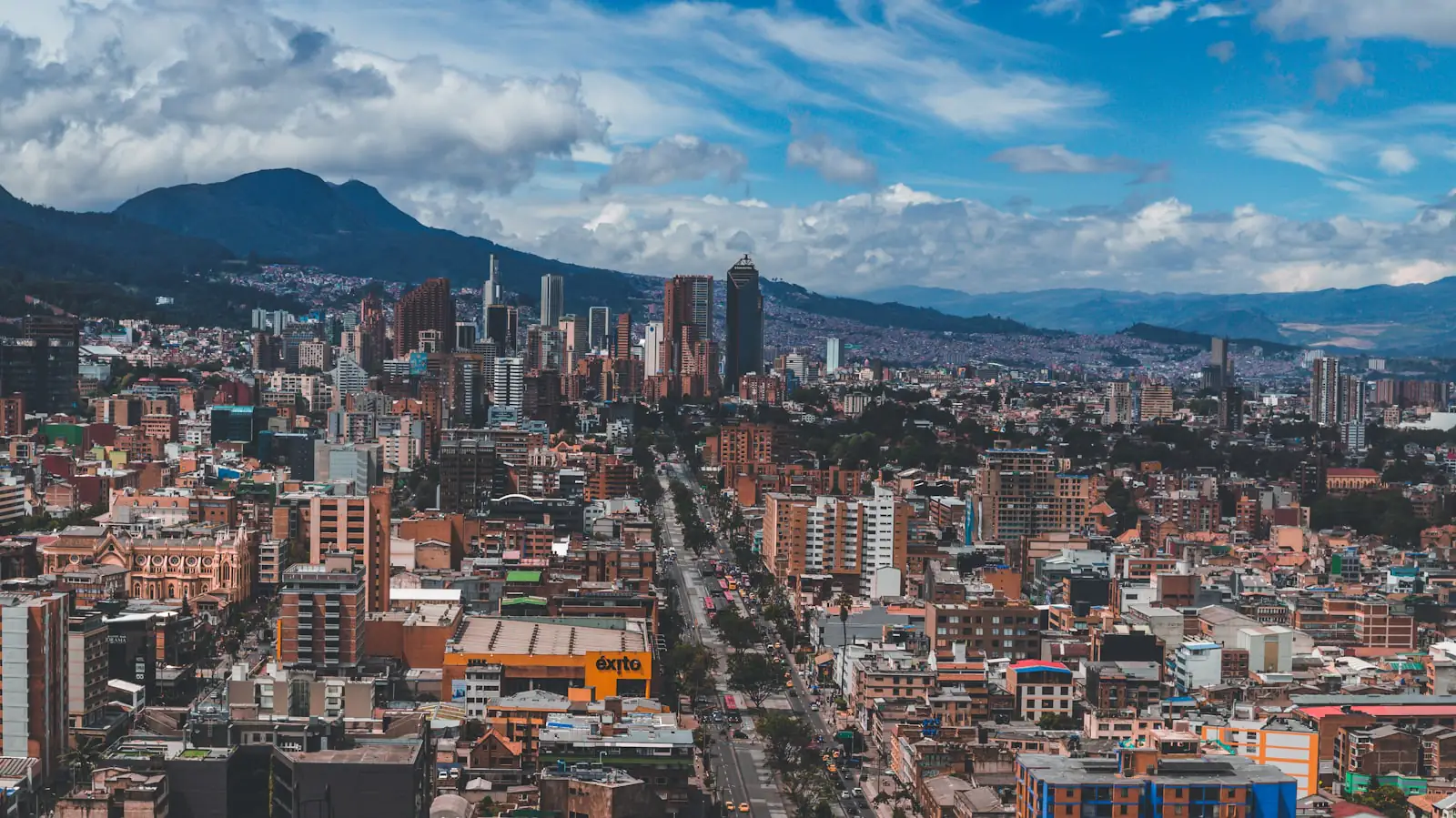
Northern Bogotá and the Sabana de Bogotá have been consolidating as Colombia's most dynamic real estate corridor for several years. In 2026, that momentum isn't just continuing — it's accelerating in specific areas that buyers and investors should understand before making a decision.
In this analysis, I walk through each area with real market data: current prices, appreciation trends, and the buyer profiles active in each sector.
Price per m² in Zona Norte: what the 2026 data shows
According to Properati, the average price per m² in Bogotá's Zona Norte stands at COP $6,517,858 as of February 2026 — up +5% year-over-year versus February 2025, and +1.1% month-over-month versus January. The average apartment price in this corridor is approximately COP $690,000,000 (roughly USD $165,000 at current exchange rates).
That's the average. What's behind that number varies considerably by neighborhood:
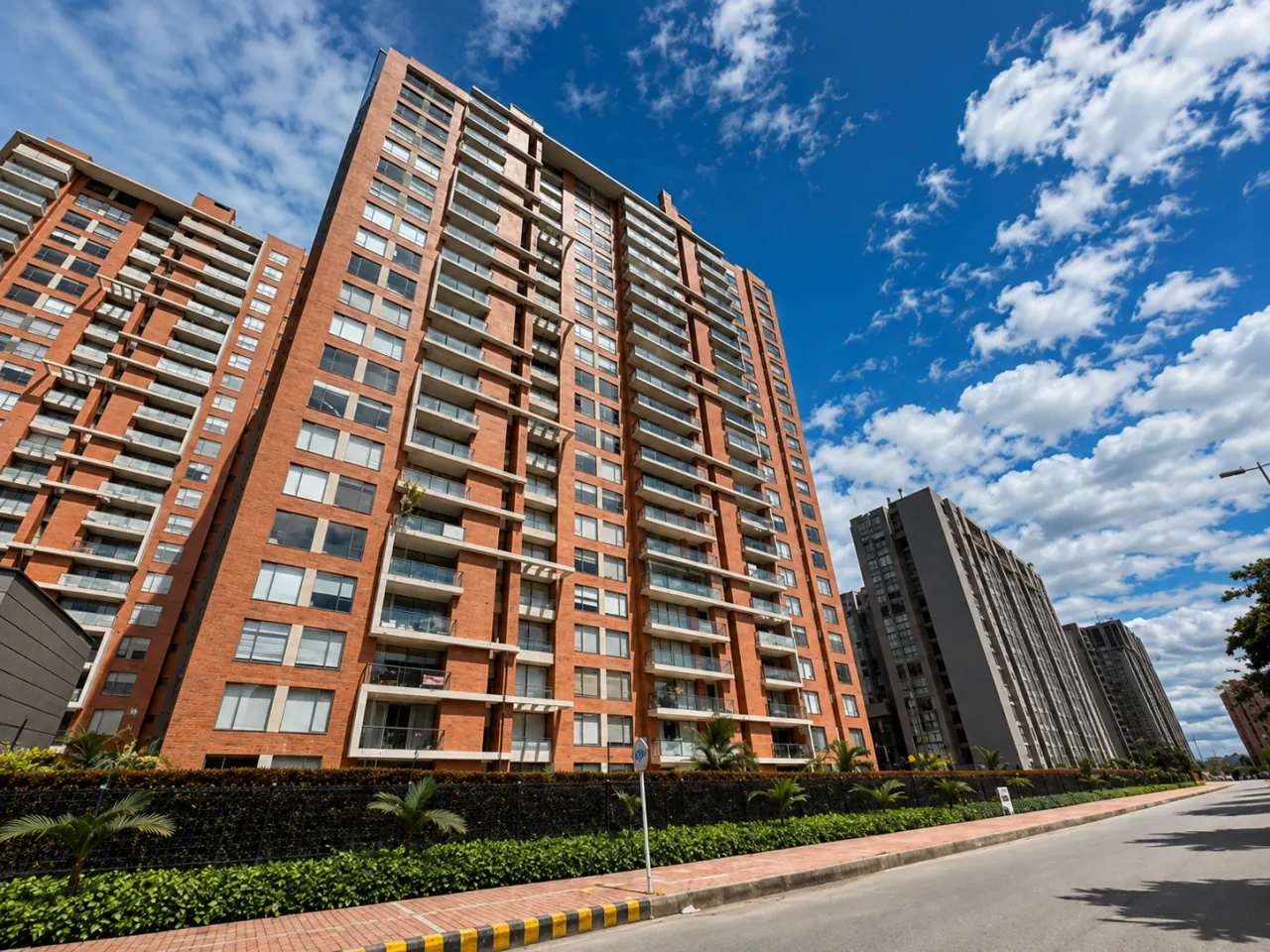
Cedritos
Apartments start at COP $380M, but the bulk of the good options — and the real target of the area — sits between COP $500M and $800M. In that range you get a spacious, well-located apartment with parking in a building with shared amenities.
La Colina / Batán
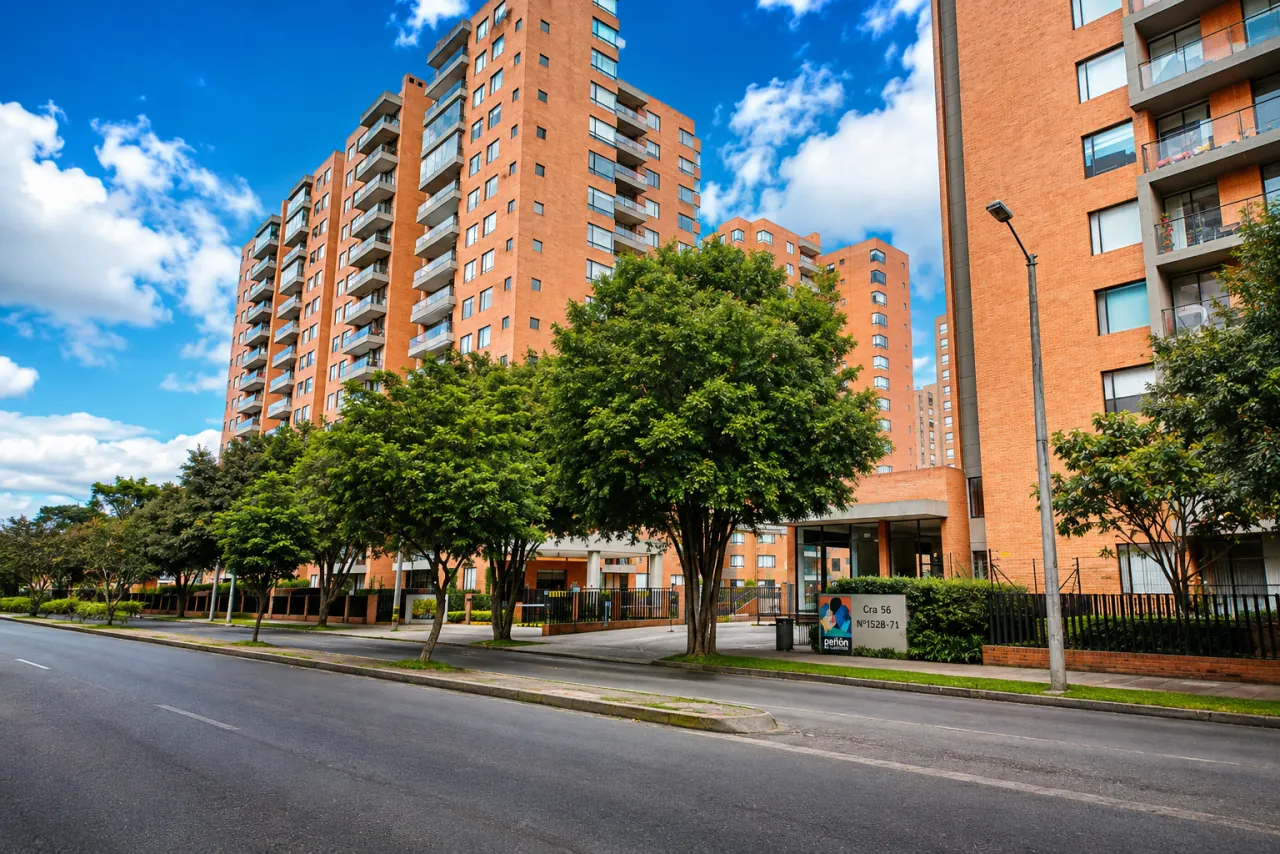
Established family neighborhood with strong resale demand and a working range very close to Cedritos: COP $500M to $800M. Compared to Mazurén, La Colina has newer buildings and more recent projects.
Mazurén
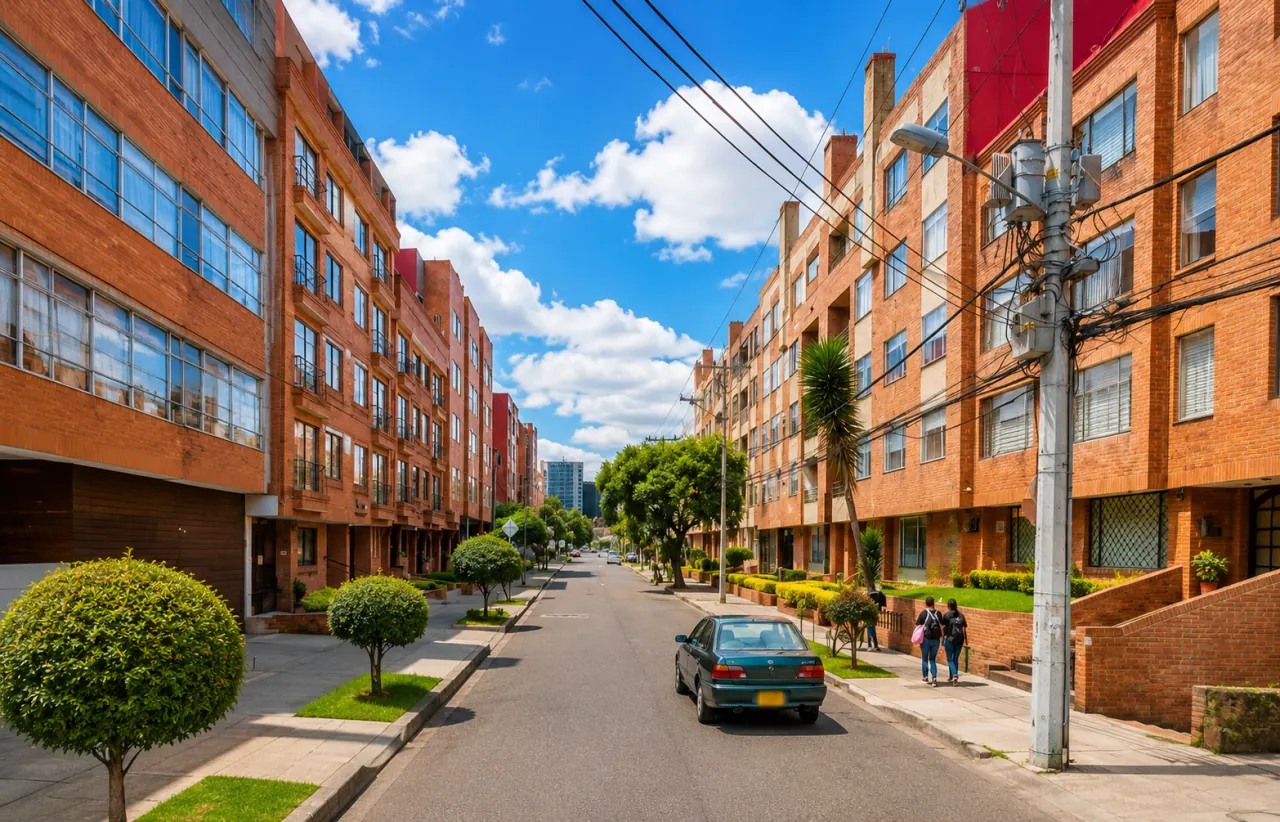
Mazurén has older buildings than La Colina — and that is precisely its advantage: because the buildings have more years, they usually offer more square meters for a similar price, and the two areas are very close to each other. Prices run roughly between COP $400M and $600M.
The Sabana: Chía and Cajicá — the square meter argument
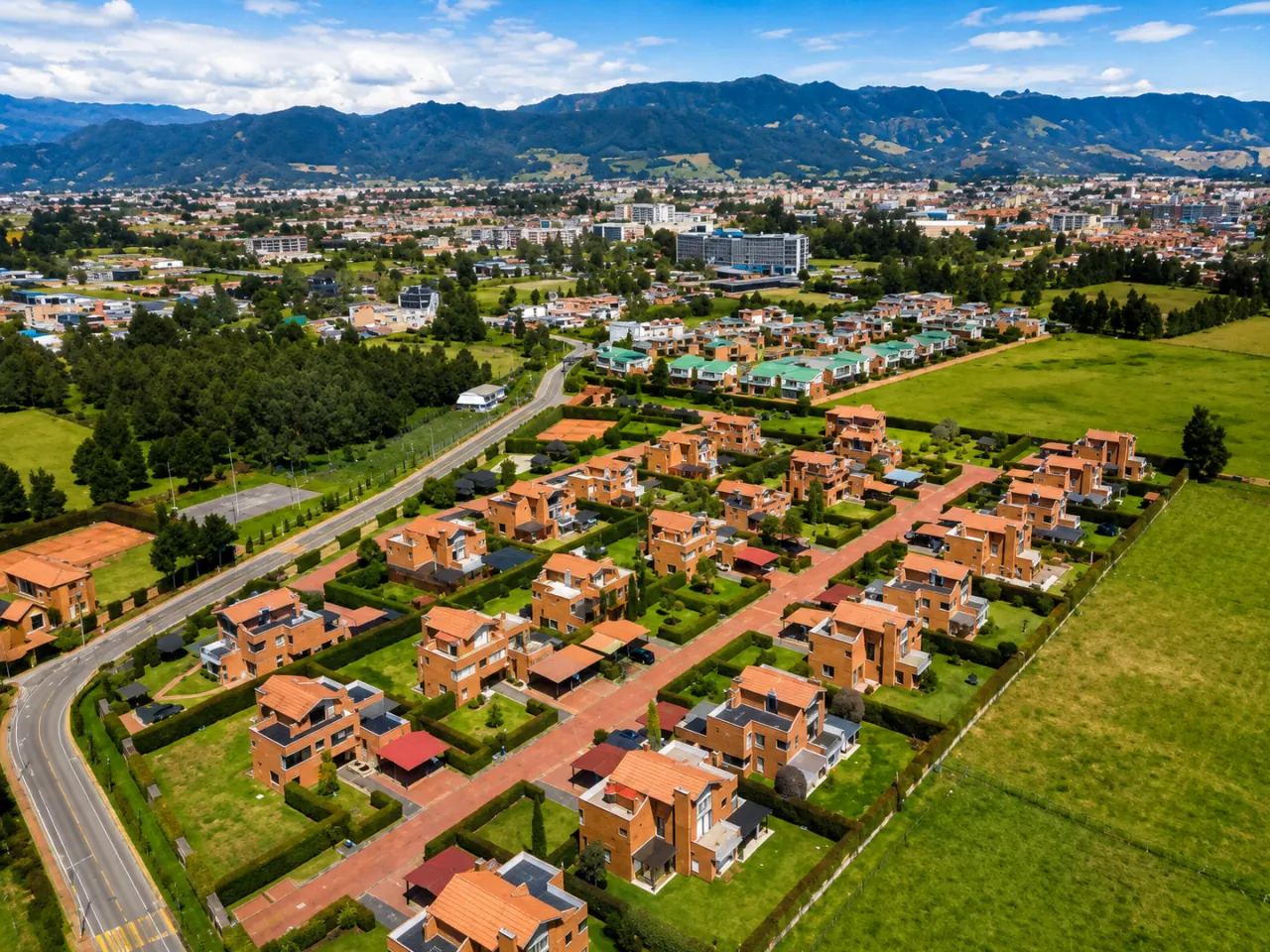
The price differential between Bogotá and the Sabana remains one of the strongest arguments for buyers who prioritize space and quality of life.
In Cajicá, the average apartment price is COP $384,847,433, with options from $182,900,000. Mid-to-upper-range projects (with pool, amenities, and security) offer 3-bedroom units between $340M and $590M. Rental income for a 3-bedroom unit runs COP $2,200,000–$3,800,000 per month.
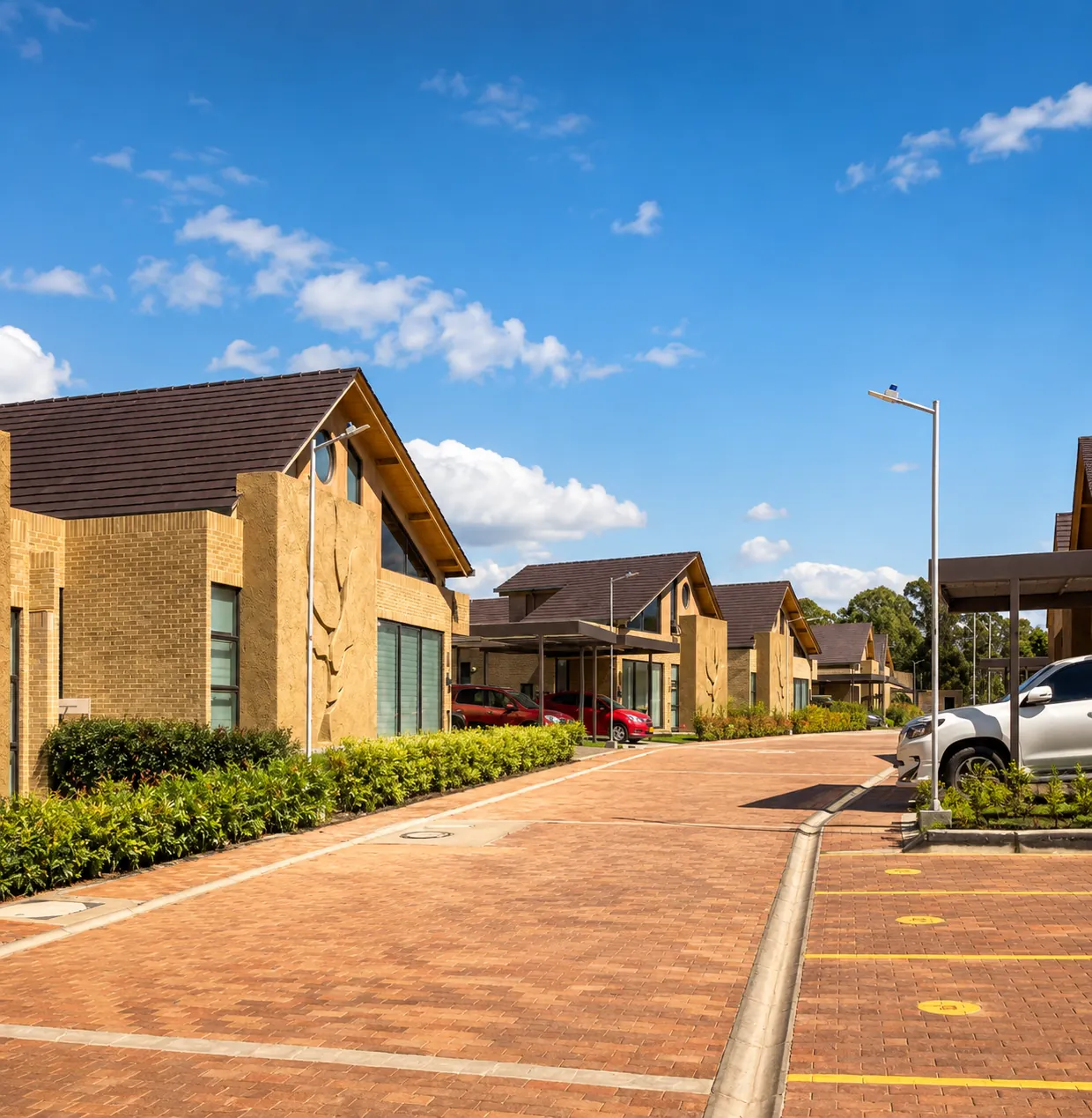
In Chía, apartments average COP $300M to $600M, and houses COP $600M to $1.2B. I work mainly with strata 4 and 5 — I rarely handle stratum 6 because prices there are highly variable. My working ceiling is around COP $800M for resale apartments and around COP $1.2B for houses.
New construction isn't my focus today — I currently have a single project in Chía — but for reference: new apartments run COP $6,500,000 to $7,500,000 per m², and the difference almost always comes down to how much the project offers in amenities and finishes.
To estimate rent on any property I use a simple rule: multiply the property value by 0.6%. It works for both apartments and houses and gives you a realistic starting point before fine-tuning the numbers.
A Home Capital Outlet report notes that buyers can find spaces up to 35% larger for a similar budget compared to Bogotá, with approximately 17% in savings. Chía also concentrates top bilingual schools, shopping centers, and direct highway access to Bogotá.
Where the real opportunity is in 2026
After working in these areas with clients week after week, I see four clear opportunity profiles:
1. Family buyer, budget COP $500M–$800M
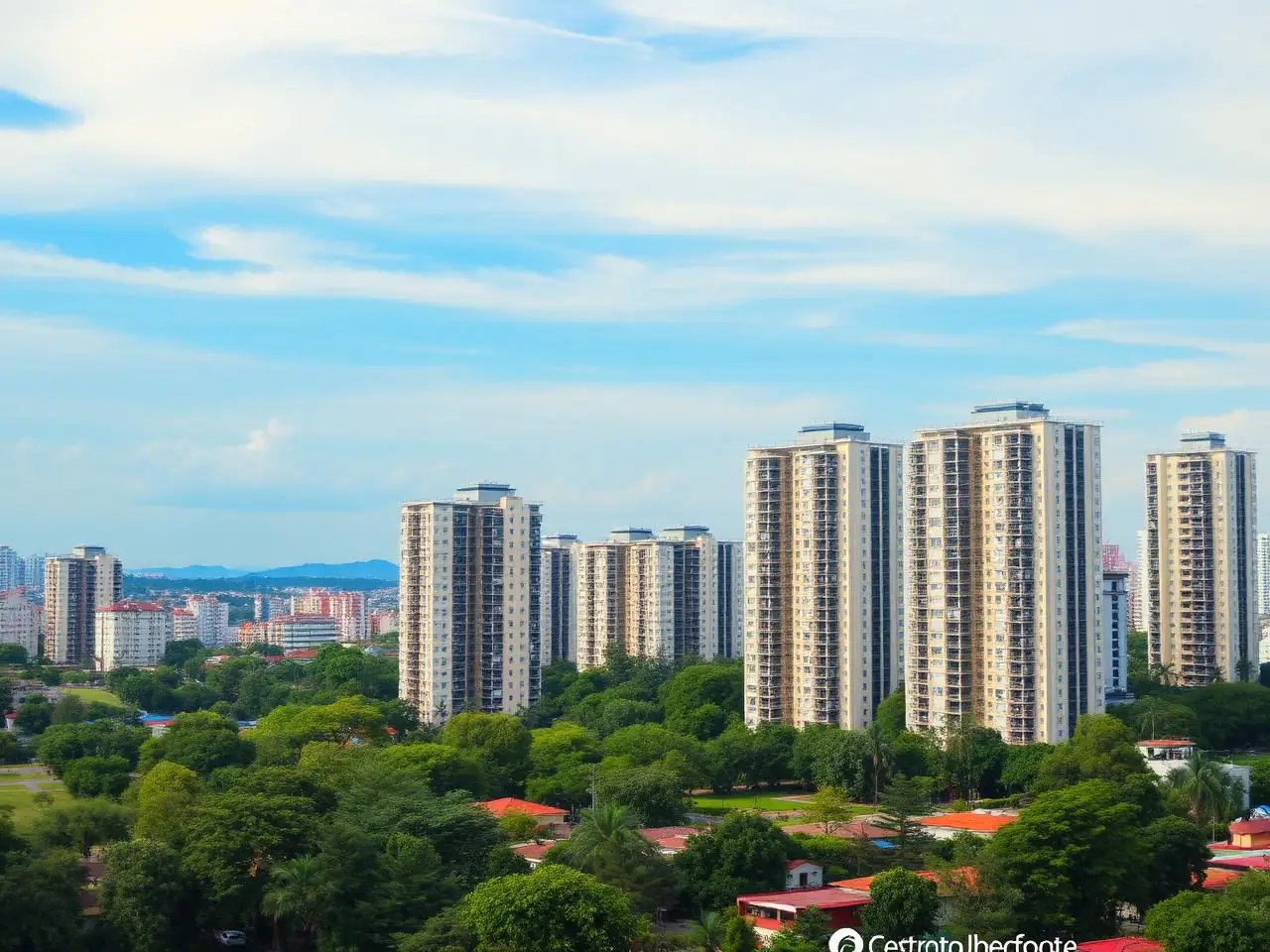
Cedritos and La Colina offer the best balance of price, connectivity, and school access. In this range, you can still find spacious apartments with a study and good parking.
2. Families looking for a change of life
I see this profile every week: people coming from Bogotá looking for a change of life. They're tired of apartment living and of the noise of the city, and they want a house, green areas and the calm Chía offers. Budgets here run COP $600M to $1.2B for a house.
3. Rental investor
Chía and Cajicá deliver good returns and rents that generate solid monthly cash flow, plus HOA fees that are generally cheaper than in Bogotá. I don't quote fixed percentages because they vary a lot from property to property; to estimate, apply 0.6% to the property value.
4. Colombian abroad
The exchange rate differential makes Bogotá Norte and the Sabana especially competitive. With dollars or euros, purchasing power is significantly higher than 3 years ago, and appreciation has been consistent.
What I expect for the rest of 2026
Exchange rate data and mortgage rate trends in Colombia point toward more favorable conditions for buyers in the second half of the year. Demand in northern corridors remains solid, driven by families relocating from Bogotá's south and center in search of more space and quality of life.
Most of that movement is being resolved in the resale market: that's where the real inventory, the negotiating room and immediate delivery are. A well-priced apartment in Cedritos, La Colina or Mazurén moves quickly, and in Chía houses with green areas are what families leaving Bogotá are looking for most.
"Want to explore specific options in these areas? Schedule a free consultation and I'll share what's available before it hits the market."
Frequently asked questions
What we get asked the most
What is the average price per m² in Bogotá's Zona Norte in 2026?
According to Properati, the average price per m² stands at COP $6,517,858 as of February 2026, up +5% year-over-year.
Which area offers the best price-to-quality ratio?
It depends on your goal. Cedritos and La Colina offer the best balance for families with a COP $500M–$800M budget; Mazurén gives more square meters for a similar price (COP $400M–$600M); Chía offers houses, green areas and calm.
How much does an apartment or a house cost in Chía?
Apartments average COP $300M to $600M (with a working ceiling around $800M for resale) and houses COP $600M to $1.2B. I work mainly with strata 4 and 5.
How do I estimate the rent a property can generate?
The quick rule I use is to multiply the property value by 0.6%. That gives you a realistic monthly rent baseline before adjusting for location, condition and amenities.
Chía or Cajicá for investment?
Cajicá has lower entry prices and higher 5–10 year appreciation potential; Chía offers a more mature market with consolidated demand from families with kids in bilingual schools, good rental liquidity and cheaper HOA fees than Bogotá.
Areas mentioned
Explore the guide for each area
Let's talk?